
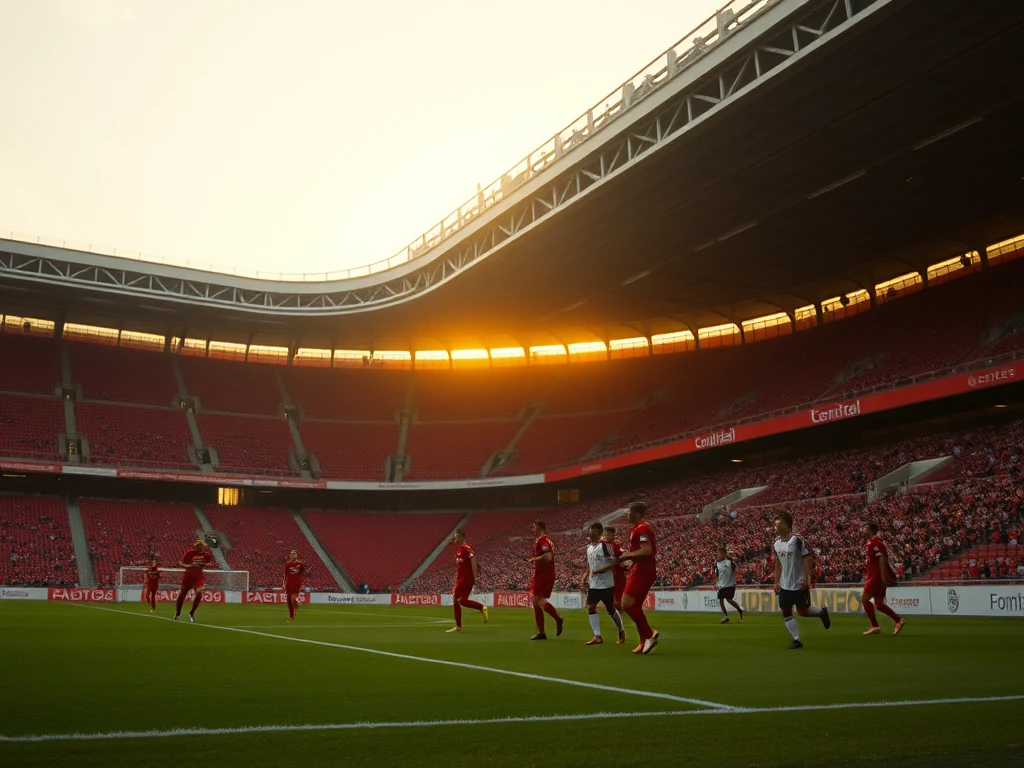
Examining Ajax's Tactical Flexibility: Adapting Strategies for Success
As the season unfolds, AFC Ajax finds itself in a competitive landscape within the Eredivisie, where tactical adaptability is becoming increasingly essential. Recent matches have highlighted both strengths and vulnerabilities in their approach, calling for a strategic reassessment that aligns with the dynamic nature of modern football.
Recent Form: A Mixed Bag
Ajax's recent form has been a rollercoaster, with moments of brilliance often overshadowed by lapses in concentration and tactical discipline. The team has shown flashes of the fluid attacking football that has defined the club's history, but defensive inconsistencies have left them vulnerable to counter-attacks. In matches against lower-tier opponents, Ajax has frequently dominated possession but struggled to convert that control into tangible results, leading to frustration among fans and analysts alike.
Tactical Analysis: Strengths and Weaknesses
One of the standout features of Ajax's gameplay has been their ability to maintain high possession percentages. The midfield trio, led by the likes of Davy Klaassen and Edson Álvarez, has shown a commendable ability to recycle possession and initiate attacks. However, the lack of a consistent final ball has often left forwards like Brian Brobbey and Steven Bergwijn isolated, making it difficult to convert chances into goals.
Defensively, Ajax has sometimes found itself caught out during transitions. Opponents have been quick to exploit gaps left by Ajax's attacking full-backs, leading to dangerous counter-attacks. While the high defensive line can be effective in pressing the opposition, it requires a level of coordination and awareness that has occasionally been lacking.
Suggested Tactical Tweaks
To address these issues, a few strategic tweaks could significantly enhance Ajax's overall performance.
1. Formation Flexibility
While the 4-2-3-1 formation has been a staple for Ajax, experimenting with a 4-3-3 or even a 3-5-2 in certain matches could provide greater balance. A 3-5-2 formation would allow for additional bodies in midfield, helping to control the center of the park and support both defense and attack. This adjustment would also enable the wing-backs to push higher up the pitch, providing width and support for the forwards.
2. Improving Link-Up Play
Encouraging the midfielders to engage more directly with the forwards can alleviate the isolation that Ajax's attackers often face. Implementing quick one-two passes and overlapping runs could create more space in the final third, allowing players like Brobbey and Bergwijn to exploit their pace and finishing ability.
3. Defensive Cohesion
Enhancing communication and positioning among the backline is vital. Holding a higher line can be effective, but defenders must ensure they are well-organized to minimize the risk of being caught out. A more disciplined approach to tracking back and covering space, particularly after attacking transitions, would help mitigate counter-attacking threats.
4. Use Set Pieces
Ajax should also place greater emphasis on set pieces, both offensively and defensively. Given the aerial prowess of players such as Calvin Bassey and the technical ability of Klaassen, organizing rehearsed set plays could offer an additional avenue for scoring while bolstering their defensive setup against opposition set pieces.
Conclusion
As Ajax continues to handle the season, embracing tactical flexibility will be key to unlocking their potential. By refining their approach to possession, enhancing link-up play, fostering defensive cohesion, and leveraging set pieces, De Godenzonen can improve their performances and stays in the league. With the right adjustments, Ajax can reclaim their status as a dominant force in Dutch football.