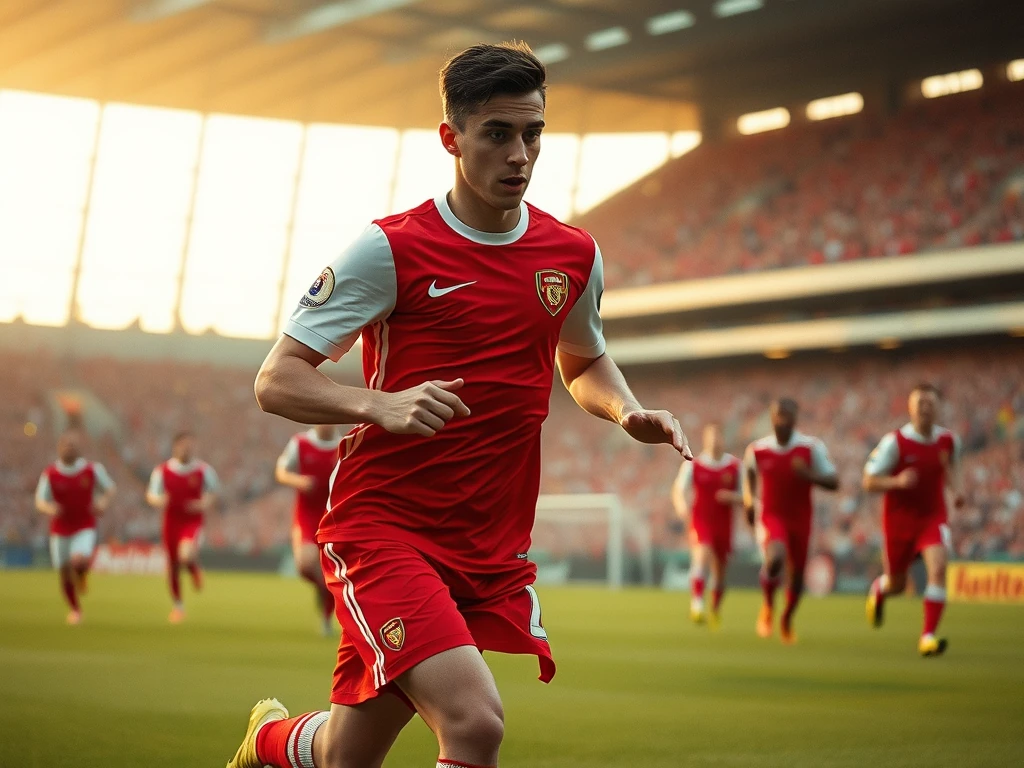

Adjusting Ajax: Tactical Tweaks for a Stronger Comeback
AFC Ajax, known as De Godenzonen, has always prided itself on its attacking philosophy and fluid style of play. However, recent matches have shown that the team is at a tactical crossroads, with inconsistency in performance raising questions about the effectiveness of their current setup. In this analysis, we will explore Ajax's recent form and propose tactical adjustments that could help the team regain its competitive edge in the Eredivisie.
Current Tactical Framework
Under the guidance of their coaching staff, Ajax has primarily operated in a 4-2-3-1 formation, a setup that aims to balance defensive solidity with attacking creativity. While this formation has provided some success, the lack of cohesion between the midfield and attacking units has become increasingly apparent. The midfielders often seem disconnected from the forwards, leading to a stagnation of attacking momentum.
The Midfield Conundrum
A key area of concern has been the midfield's effectiveness in transitioning the ball from defense to attack. Players like Edson Álvarez and Davy Klaassen have shown glimpses of brilliance, but their ability to link up with the attacking trio has been inconsistent. To address this, Ajax could benefit from tweaking their midfield structure by considering a more dynamic 4-3-3 formation.
Proposed Change: Shift to a 4-3-3 Formation
Adopting a 4-3-3 formation would allow Ajax to have a more fluid midfield, with a dedicated holding midfielder and two advanced playmakers. This structure would enable better ball retention and facilitate quicker transitions, as it places additional emphasis on midfield creativity and movement. An ideal trio could involve Álvarez as the anchorman, with Ryan Gravenberch and Steven Berghuis operating ahead of him, offering intelligence and flair.
Defensive Adjustments
While Ajax has always been known for their attacking prowess, defensive lapses have plagued their recent performances. Opponents have exploited spaces left by Ajax's full-backs, often leading to dangerous counterattacks. To mitigate this, the coaching staff should consider instructing the full-backs to adopt a more conservative approach, only committing forward when the team is in a position of strength.
Suggested Role for Full-Backs
By encouraging full-backs like Nicolás Tagliafico and Devyne Rensch to hold their positions more often, Ajax can maintain a solid defensive shape, especially when defending transitions. This would allow the central defenders to feel more secure, reducing the burden on them to cover extensive areas of the pitch. Additionally, this can create opportunities for the wingers to engage in one-on-one situations, as they will have more space to operate without the full-backs overlapping constantly.
Emphasizing Player Roles and Responsibilities
Another tactical tweak would be to define clear roles for the forwards in the attacking phase. Currently, the front three often interchange positions, which can sometimes lead to confusion and disrupt the flow of attacking plays. While versatility is a strength, establishing specific roles-such as a primary target man, a creative playmaker, and a pacey winger-could provide clarity and enhance their overall effectiveness.
Conclusion: A Path Forward
In summary, AFC Ajax's recent form indicates a need for tactical refinement. By transitioning to a 4-3-3 formation, adjusting the roles of the full-backs, and clarifying the responsibilities of the attacking players, Ajax can create a more cohesive and effective unit. These adjustments could be the catalyst for a resurgence, allowing De Godenzonen to reclaim their spot at the pinnacle of Dutch football.